If you have never been responsible for a lawn before, mowing looks like the simplest job in Mooresville yard care: push the mower, grass gets shorter. Then the lawn thins, weeds move in, and brown patches appear in July even though you mowed every week. The usual cause is height. Grass is not decoration; the blade above ground feeds the roots below it, and cutting too short starves the plant in slow motion. One rule and a few habits prevent most of it.
The rule is the one-third rule: never remove more than one third of the grass blade in a single mow. A lawn kept at three inches should be mowed when it reaches about four and a half, back down to three. Cut half or more off at once and the plant has to regrow leaf from its reserves instead of feeding roots, which is why the lawn looks shocked and pale after a catch-up mow, and why scalping, cutting down into crowns and soil, leaves bare dirt that weeds colonize first.
- Identify your grass before setting anything. Fescue in this region is typically kept tall, around three to four inches. Bermuda is kept shorter, around one to two inches. The wrong height for the grass is the most common beginner error.
- Measure the actual cutting height. Park the mower on a driveway, measure from the flat surface to the blade, and set the deck to your target. Deck numbers and notches do not reliably equal inches.
- Set the mowing rhythm by growth, not the calendar. In spring growth spurts that may mean mowing every five days to respect the one-third rule; in a dry August, the lawn may need two weeks between cuts.
- Keep the blade sharp. A dull blade tears grass, leaving ragged, whitened tips that lose moisture and invite disease. If the tips look shredded the day after mowing, the blade, not the lawn, is the problem.
- Leave the clippings. Short clippings from regular mowing fall into the lawn and return nitrogen to the soil. Bagging is for when growth got away from you and clippings fall in heavy clumps that smother the grass.
- Raise the height going into stress. Taller fescue shades its own roots and soil in summer heat, holding moisture and crowding weeds. Dropping the deck for a tidy look right before a heat wave is backwards.
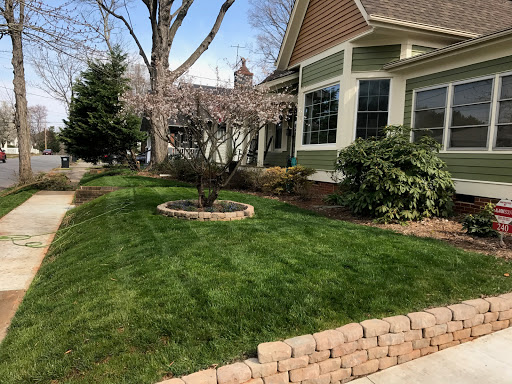
Scalping: what happened and how it recovers
Scalping happens when the mower drops into a dip, the deck was set for a shorter lawn than you actually have, or overgrown grass gets taken down in one pass. The cut goes through the green blade into the pale stem and sometimes the crown, the growing point of the plant. The lawn looks yellow-brown and stubbly, and it is genuinely injured: with its leaf surface gone, the plant pulls on root reserves to regrow, and repeated scalping drains those reserves until patches simply die.
Recovery is patience plus water. Keep the scalped area moist, stay off it as much as you can, and do not fertilize a stressed lawn in summer heat hoping to push it back; that adds burn risk to injury. Fescue scalped in spring usually regrows within a few weeks. Fescue scalped in July may not recover until fall, and the dead patches will need reseeding in the fall window rather than in the heat. Bermuda, which spreads by runners, forgives scalping more readily in its summer growing season, one of the honest differences between the two grasses. If scalping keeps happening in the same spots, the dips, not the mower, are the problem, and leveling those areas is yard work worth doing once.
Height through the year
Height is not a set-and-forget number. Fescue does best at the top of its range through the summer, shading soil and roots, and can sit slightly lower in the cool spring and fall when it is growing vigorously. Bermuda starts the season lower and is kept short and tight through summer, then is allowed to go dormant at its natural height in winter. In both cases, changes should be gradual: adjust the deck a notch at a time across successive mows instead of jumping the full distance in one pass, which is just scalping by another name. For homeowners who would rather hand the whole rhythm, height, timing, and blade care, to someone else, that is the routine Tailored Lawn Care & Landscaping runs on its maintenance visits.
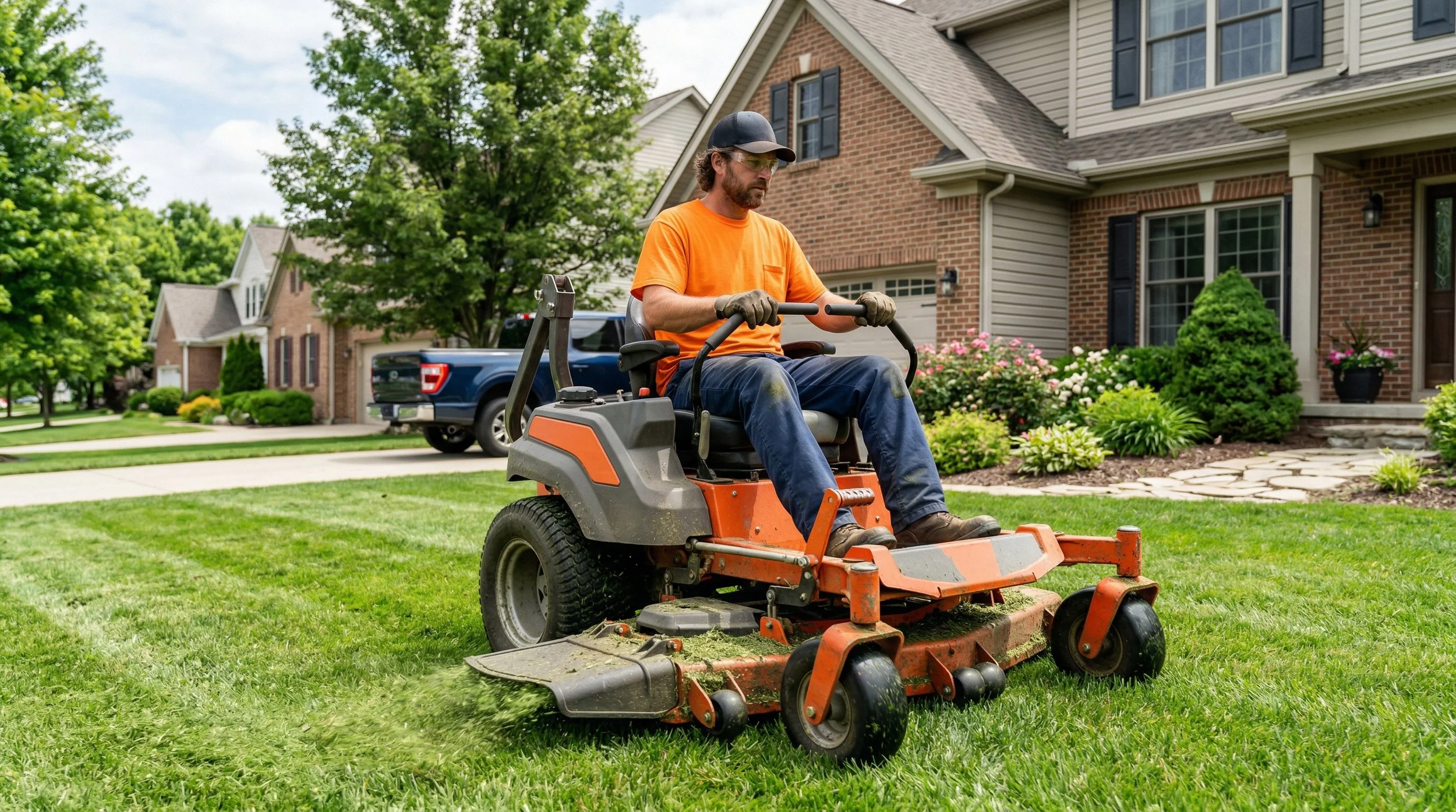
Common questions
How short should I cut my fescue?
Around three to four inches for most of the year in the Piedmont, toward the taller end in summer heat. Cutting fescue down to two inches or less is the most common reason it thins and weeds take over.
What if I missed two weeks and the lawn is overgrown?
Do not take it all at once. Mow at the highest setting first, then lower the deck and mow again a few days later. Two passes a few days apart respect the one-third rule and spare the roots a shock.
Are stripes a sign of a healthier lawn?
Stripes are made by the mower's roller bending grass in alternating directions, so they show even mowing, not extra health. The health part is the consistent height and sharp blade that usually come with the same careful mowing.
Photos in this guide are representative stock images.
← All guides from Tailored Lawn Care & Landscaping← Back to Tailored Lawn Care & Landscaping