Every spring in Mooresville, fescue lawns get judged for work that was or was not done the previous fall. That is because fall is when fescue actually builds itself: roots grow deep in cooling soil, seed germinates without summer heat waiting to kill it, and weeds are at their weakest. Aeration and overseeding in the September-to-October window is the single highest-value job on a fescue calendar, and skipping it does not show immediately. It shows for the next twelve months.
Start with what summer did. Piedmont summers compact soil under heat, foot traffic, and mower passes, and red clay compacts harder than most soils to begin with. Fescue thins in that heat no matter how it is cared for. By late August a typical lawn has bare patches, thin spots, and soil too tight for roots and water to move through. Fall work answers all three problems at once, but only inside the window, while soil is still warm enough for seed and cool weather is close enough to protect it.
Why the order is aerate, then seed
Core aeration pulls small plugs of soil out of the lawn and leaves them on the surface to break down. The holes do three jobs: they let water and air reach roots through compacted clay, they give seed a soil-contact pocket to germinate in instead of sitting on top of thatch where it dries out, and they relieve the compaction that kept the old grass shallow-rooted. Seed spread right after aerating falls into those holes across the whole lawn, which is why the pairing outperforms either job alone. Seed-to-soil contact is the whole game with overseeding, and aeration is what creates it at scale.
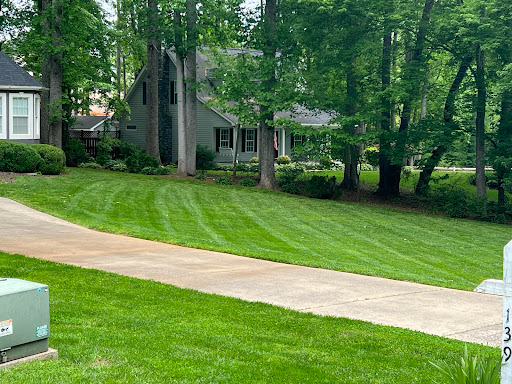
What skipping a fall actually costs
The cost of neglect here is not dramatic, it is compounding. Thin spots left unseeded in fall do not stay thin; they are filled, by crabgrass and other weeds the following summer, because weeds colonize open soil faster than clumping fescue ever will. Each summer of weed fill-in means more bare ground the next fall and a larger renovation to catch up. Shallow roots from unrelieved compaction make the lawn drought-fragile, so the same dry July that a deep-rooted lawn rides out turns a neglected one patchy, and patchiness is again an invitation to weeds.
There is also a timing debt. Seed put down too late, into November cold, germinates weakly or waits, and seedlings that enter winter tiny often do not survive it, so a missed window cannot be repaid with a spring seeding. Spring-seeded fescue faces the reverse problem: it meets its first summer as a juvenile, with shallow roots, right when heat and crabgrass pressure peak, and much of it dies by August. That is why experienced homeowners treat fall as the lawn's real new year. If your yard is at the stage where thin has become mostly weeds, Tailored Lawn Care & Landscaping can judge whether a standard aerate-and-overseed will recover it or whether a fuller renovation is the honest fix.
After the seed is down
New seed needs the soil surface kept moist until germination, which in practice means light watering once or twice a day in a dry fall, easing off once seedlings are up and growing. Keep mowing the existing grass, at a slightly lower height before seeding and carefully afterward so young seedlings get light without being scalped. Hold off on any weed treatment until the new grass has grown enough to be mowed several times, since products that stop weed seedlings do not distinguish them from grass seedlings. Then let fall do what fall does: cool nights, deep roots, and a lawn that goes into winter thicker than it has been since spring.
Common questions
When exactly should I aerate and overseed in Mooresville?
Mid-September through October is the heart of the window. Soil is still warm enough for seed to germinate in one to three weeks, nights are cooling, and seedlings get eight to ten weeks of growth before winter.
Can I just spread seed without aerating?
You can, but far less of it takes. Seed sitting on thatch or hard clay dries out and washes off. Aeration gives seed soil contact across the whole lawn, which is the main reason overseeding succeeds or fails.
Why not seed in spring instead?
Spring seedlings meet summer heat with shallow roots and heavy weed pressure, and many die by August. Fall seedlings grow roots for months in cool weather first, so they reach their first summer as established plants.
Photos in this guide are representative stock images.
← All guides from Tailored Lawn Care & Landscaping← Back to Tailored Lawn Care & Landscaping